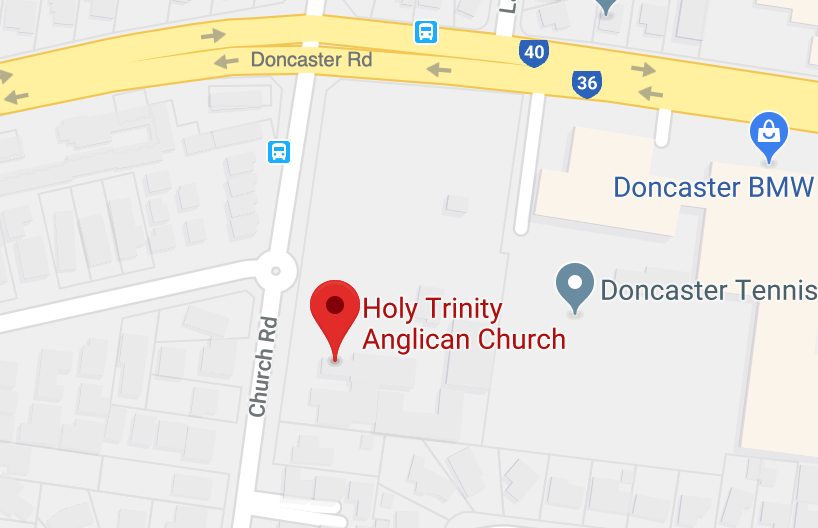
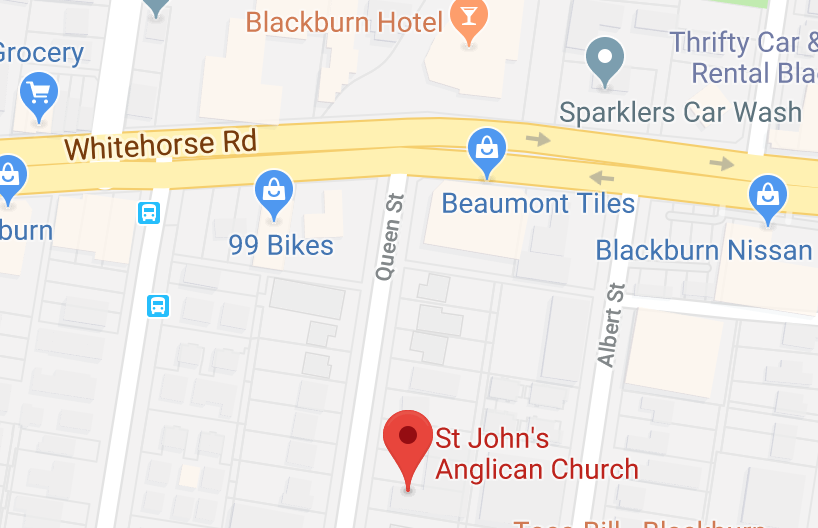
J-Kids at HTD (combining JCEBS and Girls Group

For guys and girls in grades 2 to 6; Wednesdays from 4:30-6:00pm @ HTD

Shadows of Glory

The Book of James

A Series of Bible Talks on the Book of James (8 and 10am Services)

February and March HTD morning services

Paul's Epistle to the Ephesians

A Series of Bible Talks on Paul's Epistle to the Ephesians (4pm Service)

February and March HTD morning services

1 Corinthians 11-16

A Series of Bible Talks on 1 Corinthians 11-16 (6pm Service)

February and March HTD morning services

Questions about Faith

4 and 6pm Services

Question 5: Can we trust the Bible?

In recent decades it has become commonplace to hear that the Bible is unreliable. Nevertheless there remain good reasons to believe that the Bible is historically reliable. Here is the briefest of introductions to this massive field of study in relation to the New Testament…

1. New Testament events and figures have been confirmed by non Christian sources.

Historical studies have provided many confirmations of the existence of people described in the New Testament such as Pontius Pilate. In 1990 workers building a water park in Jerusalem discovered an ancient burial chamber containing the bones of Joseph, son of Caiaphas — most probably the high priest who prosecuted Jesus.

2. The writers of the New Testament really saw the places and cultures they describe.

Again and again archaeology has verified elements of the New Testament. Excavations in Jerusalem have uncovered features of the ancient city described only in the Gospels. Investigations have persuaded sceptics such as the renowned archaeologist William Ramsay that the writer of Luke and Acts had really travelled around the Mediterranean basin and seen the cities and societies he describes.

3. The New Testament was written within a lifetime of the death of Jesus Christ.

Although there was once widespread scepticism about this fact, the evidence has gradually forced historians to acknowledge that the New Testament was written early. The earliest parts — the letters of St Paul were written within thirty years of Jesus’ death.

4. The transmission of the New Testament has been remarkably error free.

As the early church grew, more and more copies of the disciples’ writings were made and then more copies were made of those. Sometimes in this process errors crept in. Yet because so many copies were made in the earliest phases of this process, we can usually compare the different families of copies to see where the errors crept in.

Historical arguments and evidences have always been important to Christians but not most important. Christians who believe that the Bible is God’s word generally don’t arrive at the point by historical analysis but because, when they read it the Bible speaks to them of how life really is and opens their eyes to a world that no other source of human wisdom can. Christians sense God in the Bible as they read it. and hear him talking to them through it. Christians experience the Bible’s truth as they read and live it out.

So yes, we should investigate the historical issues which surround the New Testament if we have questions about them; but if we want to know the truth about the Bible then we should try reading it and putting it into practice to see what it feels like. Jesus promised that, “if a person chooses to do God’s will he will find out whether my teaching comes from God.” (John 7:17)


For more information:

  1. http://www.probe.org/docs/bib-docu.html
  2. Read Is the New Testament History by Bp Paul Barnett
Holy Trinity Doncaster, 106 Church Rd, Doncaster, Victoria, 3108, (03) 9840 2577
Main Contact: info@holytrinitydoncaster.org.au | Website Info: webmaster@holytrinitydoncaster.org.au